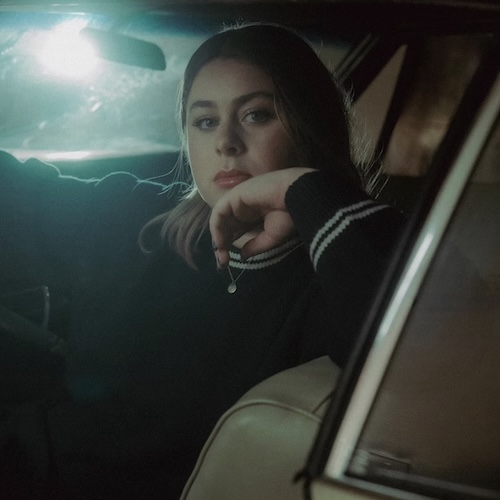

When I first started writing Exit Wounds, I never intended for it to become a concept album.
I had just come off the release of my previous album, Spiderwebs, a project riddled with trauma, identity crises, and growing pains. In many ways, that album mirrored much of what what I was going through at the time. When I started thinking about what would come next, I realized I was still focused on getting “home” to my old self.
“Home” was the final song on Spiderwebs, and I carried that idea with me into this album. I was still trying to get there, still looking for a way back to who I was before everything changed. That idea became the starting point for “Distance Makes a Love Story,” and eventually, for the larger story of Exit Wounds. It was not until I realized I could not go home that I began to understand what I wanted to say with this album. I understood that I was not just making another album. I was documenting a process I was already living through.
Exit Wounds became a love letter to myself. It became an album about the things and feelings that pass through us, the things that stay with us, and the complicated process of moving on from the circumstances that have held us back.
One of the hardest things to accept is that even if you did not put yourself in a certain situation, you can eventually become responsible for keeping yourself there.
Once I understood that, I became very intentional about every song I added to the album. I wanted each song to have its own world and its own story, but I also wanted them to connect. That if you listened from beginning to end, I wanted it to reveal a bigger picture.
The album begins with the desire to go home, to return to a version of yourself that existed before everything changed. Enter, “Distance Makes a Love Story”. It is the hope that maybe you can retrace your steps and find your way back to who you were. But eventually, you have to confront the fact that there is no going back. That realization leads into the emotional flatline of “Code Blue,” where you are caught between who you were and who you are, realizing you have no clue who that even is anymore.
From there, the album enters what I think of as the “waiting rooms” period. This is the part where you retreat inward and start protecting yourself from everything that might hurt you. “Nostalgia Don’t” is about wanting the past to stop pulling you backward. “Cold Tea” is about being too exhausted to defend yourself against other people’s versions of you. And “Waiting Rooms” is where all of that becomes a way of life. You keep yourself locked up, bubble-wrapped, telling yourself that you are being careful when really, you are just making sure nothing can get close enough to hurt you.
“Race Car Driver” is the first real push toward moving forward. It is the point where you start to realize that the waiting rooms you built to keep yourself safe have slowly become cages. You have spent so long convincing yourself that staying still is safer than risking what comes next that you have forgotten that staying still is a choice, too. The song is about convincing yourself to get in the car and move, accepting that moving forward is going to be messy and uncertain, but that it is still better than staying trapped.
That leads into what I think of as the acceptance era of the album. “Mercy” is about surrendering to the fact that you must leave, while also feeling sorry for the version of yourself you are leaving behind. That person was an angel. I hate that she was hurt, and I hate that I cannot go back and change it. But I am still the dreamer she was, and I think some part of her always knew I would have to leave eventually.
“Daisy Says” is where the power starts to shift back into my own hands. The things that happened to me are still part of my story, but they do not get to decide what happens next. And “Exit Wounds” is about assessing the damage. Realizing that, yes, a lot has changed, and some parts of you will always carry what happened. You will not forget it, and you do not have to. But the house is being sold. You cannot stay there forever.
Then, finally, “Getting Out of Dodge.” This is where the move actually happens. I did not want it to feel like a neat “this is me now” moment. We do not know who she is yet, and I think that is okay. She is moving. She is figuring it out. She is somewhere between who she was and who she is becoming. The important part is that she is going to get there.
The coolest part of writing this album was that I knew I was living through everything I was writing about. I was very intentional about documenting that process as it was happening. What I could not see at the time was how much distance I was already travelling. It was only in hindsight, listening back to the album as a whole, that I could hear how much putting it into words had helped me push myself forward.
We’d love to hear from you! Please send us your suggestions for future articles. And if you’re a writer, please see our writer’s submissions page for details.