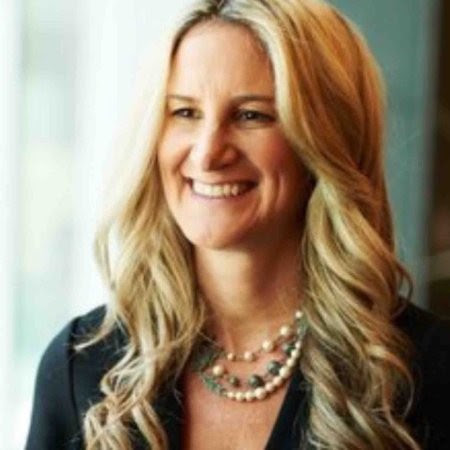

For more than 35 years, I built my career turning businesses around. As a CEO, entrepreneur, and retail strategist, I was the person people called when things went wrong. I thrived in chaos, navigated uncertainty, and believed that with the right strategy, determination, and leadership, almost anything could be fixed.
Then cancer came knocking.
In October 2023, at 51, I was diagnosed with Stage II triple-positive breast cancer. Suddenly, boardrooms were replaced by hospital rooms. Business meetings became oncology appointments. The decisions I was making were no longer about companies or shareholders. They were about my life.
But cancer was only the beginning of a series of events that would fundamentally change me.
When life doesn’t follow a business plan
In the months surrounding my diagnosis and treatment, I lost my mother, father, and sister a year before. My husband and I also experienced a terrifying home invasion that shattered our sense of safety.
It felt as though life was coming at me from every direction.
I was grieving people I loved, confronting my own mortality, and recovering from trauma while undergoing physically and emotionally exhausting treatment.
I had spent my career believing every crisis had a solution. But grief doesn’t follow a business plan. Trauma doesn’t respect timelines. And cancer certainly doesn’t negotiate.
I discovered that resilience isn’t about being unbreakable.
It’s about finding a way forward, even when life breaks you open.
Becoming the CEO of my own health
When I received my diagnosis, I instinctively approached it as I would a business turnaround.
I researched, asked questions, assembled a team of experts, challenged assumptions, and refused to become a passive participant in my care.
I became the CEO of my own health.
After chemotherapy, a bilateral mastectomy, and ongoing treatment, I reached the milestone every cancer patient hopes for: no evidence of disease.
Yet I quickly discovered that being cancer-free doesn’t mean being consequence-free.
Today, I continue to navigate chronic pain, debilitating fatigue, neuropathy, and cognitive challenges often called “chemo brain.”
My mind still wants to operate at the speed it always has. My body often has other plans.
For someone who measured success through accomplishments and productivity, this required an entirely new perspective.
I’ve learned that rest isn’t weakness, asking for help isn’t failure, and a meaningful life isn’t measured solely by how much we accomplish.
Sometimes, success is simply showing up.
From professional success to personal purpose
For much of my life, I measured impact through the businesses I transformed, the teams I built, and the results I delivered.
I’m incredibly proud of that chapter.
But adversity has a way of changing what matters.
As I navigated recovery, I began thinking less about what I could achieve and more about what I could contribute.
Philanthropy, mentorship, and patient advocacy became increasingly central to my life.
Through my involvement with organizations including the Israel Cancer Research Fund and UJA’s Ohr Network, I’ve found tremendous meaning in advancing research, supporting others, and creating opportunities for mentorship and connection.
I’ve also become involved in initiatives bringing together cancer patients, researchers, and innovators to help shape the future of cancer care.
These experiences have given me something no professional title ever could: a deeply personal connection between my experiences and the possibility of changing someone else’s life.
I spent decades helping businesses navigate transformation. Today, I’m equally passionate about helping people navigate theirs.
This isn’t about abandoning ambition. It’s about redefining it.
Turning pain into purpose
Throughout my cancer journey, I began writing, initially to process what was happening to me.
Eventually, those words became my bestselling book, F*ck Cancer: Commanding a Comeback When Your Body Has Turned On You.
The title is deliberately unapologetic.
Cancer doesn’t arrive politely. It disrupts your identity, relationships, body, career, and sense of security.
My book isn’t about pretending cancer is a gift. I would never describe it that way.
It’s about reclaiming your voice when life has knocked the wind out of you.
It’s about advocating for yourself, challenging the status quo, and recognizing that even when your body feels like it has betrayed you, your spirit doesn’t have to surrender.
Writing the book also helped shape The Healing Rebel, my platform dedicated to patient advocacy, resilience, and reinvention.
I want people to understand that they are more than their diagnosis, their trauma, or the worst thing that has happened to them.
I don’t want cancer to define me. But if sharing my experiences helps someone feel less alone or more empowered, my story has meaning beyond my own recovery.
Finding bliss doesn’t mean finding perfection
When I think about finding bliss today, I don’t imagine a life without hardship.
I imagine a life filled with meaning despite hardship.
I’ve learned that joy and grief can coexist. Gratitude doesn’t erase pain. And you can be profoundly thankful to be alive while still mourning the life you once knew.
I still have difficult days. I still struggle with physical limitations, exhaustion, and the emotional weight of everything I’ve experienced.
But I also laugh. I travel. I spend time with people I love. I challenge myself. And I find fulfillment in philanthropy, advocacy, and helping others.
At 54, I’m still reinventing myself.
I’m still ambitious, curious, and determined to make a difference.
The difference is that today, success is less about what I accomplish and more about the impact I leave behind.
Cancer changed my body. Grief changed my heart. Trauma changed my sense of security.
But none of those experiences took away my ability to choose what comes next.
I didn’t choose cancer. I didn’t choose the losses, the trauma, or the lasting consequences.
But I can choose what I do with the life in front of me.
I choose purpose. I choose connection. I choose to give back. And I choose to keep finding joy, even when life is imperfect.
I am not simply surviving my story. I am still writing it.
And for me, that’s what finding my bliss is all about.
We’d love to hear from you! Please send us your suggestions for future articles. And if you’re a writer, please see our writer’s submissions page for details.